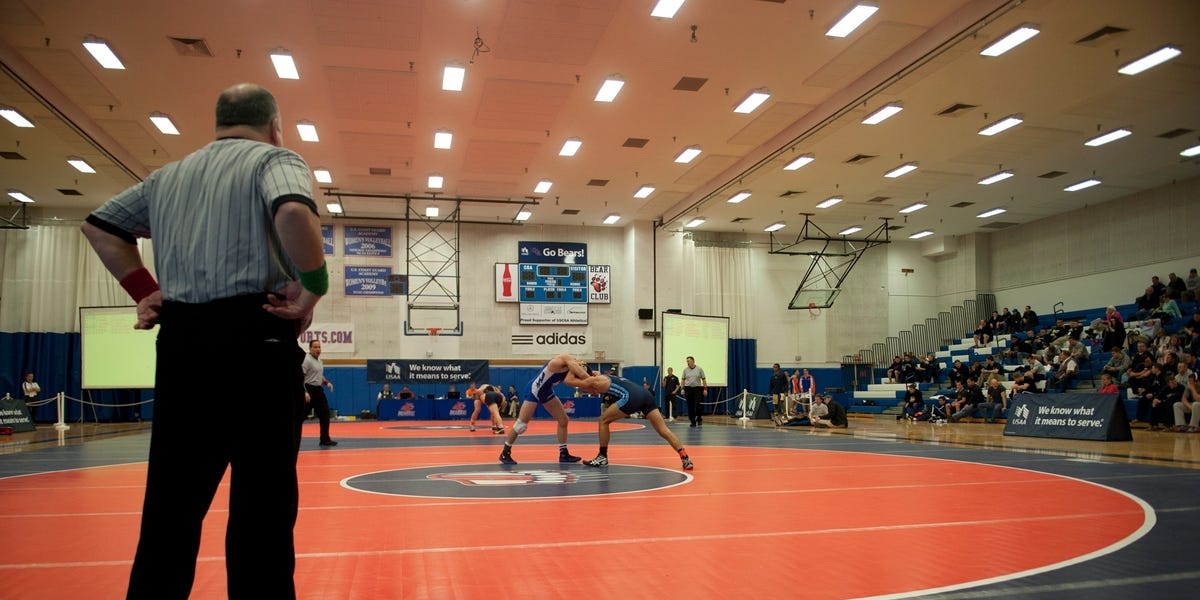
California NIL Attorney
Strategic Name, Image, and Likeness Representation for Athletes and Collectives
Speak With a California NIL Attorney Who Can Help
NIL agreements, compliance issues, and collective disputes require immediate strategic guidance. Contact our office to schedule a consultation with experienced California NIL counsel.
Mark Amador - Partner

Mark Amador represents athletes, sports organizations, and businesses in high-stakes contract, eligibility, and commercial disputes. With decades of litigation and trial experience, he brings a strategic, aggressive approach to protecting clients’ interests both inside and outside the courtroom.
In the NIL space, Mr. Amador advises student-athletes, families, and collectives on contract structures, compliance risks, and enforcement strategies. His background in sports law and complex business litigation allows him to anticipate disputes before they arise — and to litigate them effectively when they do. He was an all league football player at the best school in the Trinity League Servite. Athletes and organizations turn to Mr. Amador when the issue is serious, the exposure is real, and the outcome matters.
619-744-7024
mamador@wingertlaw.com
Ana Claudia Guedes - Partner

Ana Claudia Guedes advises athletes and global brands on trademark protection, endorsement agreements, and name, image, and likeness strategy. With over 20 years of experience in IP and business law, she combines litigation strength with transactional precision.
Ms. Guedes represents athletes in trademark registration, licensing, enforcement, and NIL contract negotiation. She has also handled sports-related disciplinary proceedings before major governing bodies, like the National Football League, the International Olympic Committee, and the World Anti-Doping Agency, giving her a deep understanding of the regulatory pressures athletes face.
619-232-8151 ext. 7027
aguedes@wingertlaw.com

Name, Image and Likeness Representation for Athletes and Collectives
Student-athletes in California now operate in a commercial landscape that did not exist a few years ago. Name, Image, and Likeness (NIL) rights allow athletes to enter endorsement agreements, license their brand, monetize social media, and participate in collective-driven compensation structures. But NIL is not marketing. It is law.
NIL representation sits at the intersection of contract drafting, intellectual property protection, right of publicity enforcement, regulatory compliance, tax exposure, and litigation risk. Since the Supreme Court’s decision in NCAA v. Alston and the enactment of California SB 206, the landscape has evolved rapidly. The NCAA has issued interim policies. States have adopted varying frameworks. Institutions impose their own disclosure rules. Collectives operate under developing governance models.
This environment rewards strategy and punishes informality.
Wingert Grebing Brubaker & Walshok LLP provides California-based NIL legal counsel focused on risk mitigation, contract structure, intellectual property protection, and enforcement. We represent athletes, parents, NIL collectives, and sports institutions throughout the state.
What a California NIL Attorney Does
NIL representation is not limited to reviewing endorsement contracts. Effective counsel requires integrated legal oversight across multiple domains.
NIL Contract Drafting and Review
Most NIL disputes originate in poorly drafted agreements. We advise on:
- Endorsement agreements and influencer contracts
- Licensing arrangements
- Collective participation agreements
- Sponsorship deals
- Agency and commission agreements
We analyze compensation structure, exclusivity provisions, intellectual property grants, termination rights, indemnification obligations, dispute resolution clauses, and compliance representations. Contracts must protect both present compensation and future brand value.
Compliance and Eligibility Protection
Even in the NIL era, eligibility remains fragile. NCAA rules, conference policies, and institutional disclosure requirements can affect participation status. We advise on:
- Recruiting inducement risk
- Institutional NIL reporting requirements
- Booster involvement limitations
- Conflicts between school policies and private agreements
For high school athletes, California Interscholastic Federation (CIF) considerations introduce additional compliance layers.
Intellectual Property Strategy
An athlete’s NIL value is inseparable from intellectual property. We structure:
- Trademark filings for names, logos, and slogans
- Brand licensing frameworks
- Social media content ownership agreements
- Protection against unauthorized commercial exploitation
Intellectual property planning is not optional. Without it, control over brand assets can be permanently diluted.
Dispute Resolution and Enforcement
NIL disputes arise in several forms:
- Failure to pay under collective agreements
- Breach of endorsement contracts
- Misappropriation of likeness
- Trademark infringement
- Commission disputes
Our litigation capability distinguishes legal counsel from advisory-only services. NIL arrangements must be enforceable.
California NIL Legal Framework
California was an early adopter of NIL reform through California SB 206, later implemented after passage of AB 1281. These statutes permit student-athletes to profit from their name, image, and likeness, subject to contractual and institutional constraints.
NCAA Regulatory Landscape
The NCAA interim NIL policy permits athletes to engage in NIL activity consistent with state law but continues to prohibit certain forms of pay-for-play and recruiting inducement. Enforcement priorities remain fluid. Institutions frequently adopt internal NIL disclosure policies and compliance mechanisms.
Athletes must navigate not only contractual terms but also the regulatory posture of their conference and university.
California Right of Publicity
California’s right of publicity jurisprudence is among the most developed in the country. Decisions such as White v. Samsung Electronics America, Inc. recognize protection against commercial appropriation of identity, even where literal likeness is not copied. In Comedy III Productions, Inc. v. Gary Saderup, Inc., the California Supreme Court articulated the transformative use test to balance publicity rights against First Amendment considerations.
For NIL participants, this body of law governs:
- Unauthorized merchandising
- Digital likeness exploitation
- Social media monetization
- Brand licensing disputes
California’s legal framework is both protective and complex. Proper structuring of agreements requires familiarity with these doctrines.
High School NIL in California
High school NIL activity presents unique risks. While California permits certain NIL activity for high school athletes, CIF rules, district policies, and recruiting considerations create compliance challenges.
Key issues include:
- Parental consent and minor contract enforceability
- Booster involvement and inducement exposure
- School district restrictions on logo or facility use
- Conflicts between NIL contracts and team obligations
High school athletes face heightened scrutiny regarding recruiting violations and undue influence. Agreements must be structured with eligibility preservation as a primary objective.
NIL Contract Red Flags
Many NIL agreements contain provisions that significantly disadvantage athletes or collectives.
Common concerns include:
Overbroad Exclusivity
- Clauses preventing athletes from engaging with competing brands across undefined product categories.
Perpetual Intellectual Property Grants
- Licenses that survive contract termination or lack defined scope.
Morals Clauses Without Objective Standards
- Broad termination rights triggered by subjective reputational harm.
Termination Without Cause
- Sponsor discretion to terminate while retaining previously granted IP rights.
Indemnification Provisions
- Athletes assuming disproportionate liability exposure.
Non-Compete Language
- Restrictions that may exceed enforceable bounds under California law.
Commission Stacking
- Overlapping agency and marketing commission structures that erode net compensation.
Collective Revenue Opacity
- Unclear funding sources, governance structure, or payment timelines.
Careful contract review can prevent long-term financial and reputational harm.
Athlete Brand and Intellectual Property Protection
An NIL strategy must extend beyond individual deals. It requires a team of business litigation attorneys who understand the value of branding and contract formation
Trademark Strategy
Filing federal trademark applications for athlete names, logos, and slogans preserves commercial leverage. Without registration, enforcement becomes more difficult and licensing value decreases.
Content Ownership
Highlight reels, social media posts, and sponsored content often involve layered copyright interests. Agreements must clarify ownership and reuse rights.
Licensing and Enforcement
Unauthorized use of an athlete’s likeness on merchandise, digital platforms, or promotional materials can result in actionable claims. Enforcement strategy should be considered at the outset, not after infringement occurs.
Representation of NIL Collectives
NIL collectives have become central actors in collegiate athletics. Their legal exposure extends beyond contract drafting.
Key considerations include:
- Governance structure and fiduciary oversight
- Donor agreement enforceability
- Compensation distribution models
- Tax classification
- Antitrust exposure in the post-NCAA v. Alston environment
- Institutional coordination
Collectives must operate with regulatory awareness and contractual clarity. Informal arrangements invite litigation.
Frequently Asked Questions
Yes. While NIL activity is permitted, agreements structured as recruiting inducements or pay-for-play may create compliance concerns under NCAA and institutional policies.
California permits certain high school NIL activity, but CIF rules and district policies must be carefully reviewed to avoid eligibility jeopardy.
Yes, if the name functions as a source identifier in commerce and satisfies USPTO requirements. Strategic filing is recommended before widespread commercial use.
Collectives are generally lawful but must comply with contract law, tax regulations, and evolving NCAA guidance.
NIL income is generally taxable. Entity structuring and multi-state income allocation may affect liability.
Enforcement depends on the contract’s payment structure, dispute resolution clause, and available remedies.
Given the intersection of IP, contract, compliance, and tax issues, legal review is strongly advisable before execution.
Who We Represent
NCAA Division I, II, and III athletes
High school athletes and their families
NIL collectives and booster organization
Sports institutions navigating NIL compliance
Strategic NIL Representation in California
NIL is not a temporary trend. It is a structural shift in collegiate and high school athletics. The legal implications will continue to evolve through litigation, regulatory reform, and institutional policy changes.
Effective representation requires more than familiarity with endorsements. It demands command of California publicity law, contract architecture, compliance strategy, and enforcement mechanisms.
To discuss NIL representation, contract review, or collective governance matters, contact Wingert Grebing Brubaker & Walshok LLP to schedule a consultation.
Call: 619-744-7023
What Our Clients Say
“I can’t thank Mark Amador and Ana Guedes enough. They both stepped in with confidence when I had to navigate NIL and contracts for my son. Their professionalism and deep knowledge of NCAA, NIL, and California regulations were a breath of fresh air. They guided us through every step with care and determination. Truly outstanding work!”
— Jonathan, Parent of Student-Athlete
Latest News and Results
How to Document Construction Defects for Legal Claims (2026 Guide for California Homeowners & HOAs)
Read more >
CIF Bylaw 510 Explained: California High School Transfer Rules
Read more >
- Page 1
- Page 2
- Page 3
- Interim pages omitted …
- Page 7
- Go to Next Page »